The escalating conflict between Iran vs Israel has grabbed international attention, leaving many concerned about the impact of these hostilities on global peace. While tensions between these two nations have existed for decades, recent events have brought the conflict to a boiling point, prompting fears of broader regional instability. In this article, we will delve into the historical roots of the conflict, the key players involved, and the current situation that has led many to question the possibility of further escalation.
Table of Contents
1. A Historical Overview of Iran vs Israel Relations
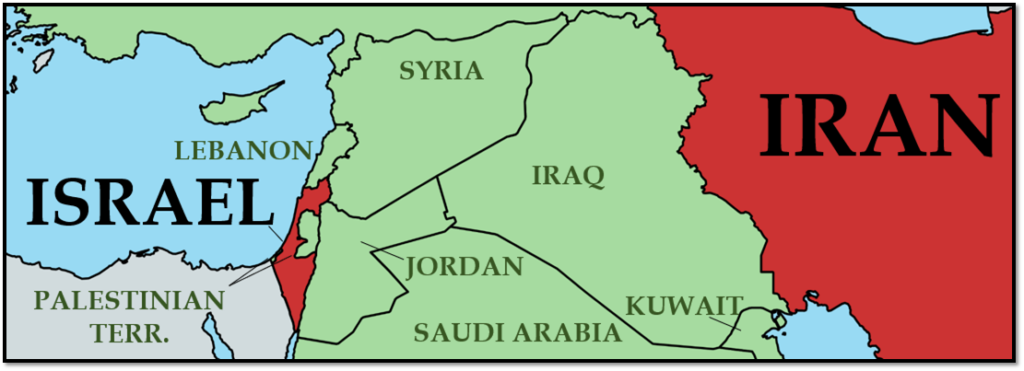
The tension between Iran and Israel is not new, but the relationship was not always hostile. Before the 1979 Iranian Revolution, Iran and Israel had relatively positive diplomatic and economic relations. However, after the revolution, the newly established Islamic Republic of Iran declared Israel as an enemy, aligning with the Palestinian cause and condemning Israel’s actions in the region. The situation has only worsened since then, with both countries engaging in indirect confrontations.
2. Key Events Leading to Recent Hostilities
Recent hostilities between Iran and Israel can be traced back to several events that have heightened tensions. In April 2024, Israel conducted an airstrike on the Syrian capital, Damascus, targeting a building linked to Iran’s Revolutionary Guard. This resulted in the deaths of several high-ranking Iranian officers. Iran retaliated by launching missile attacks on Israel in October 2024, with over 180 ballistic missiles aimed at key targets.
3. The Role of Proxy Groups
Iran’s involvement in the Middle East conflict extends beyond direct military action. The country supports various proxy groups in the region, including Hezbollah in Lebanon, Hamas in Gaza, and the Houthis in Yemen. These groups have consistently attacked Israel, causing further deterioration of the situation. Iran’s support for these groups is part of its broader strategy to counterbalance Israeli influence in the region without directly engaging in open warfare.
4. Israel’s Advanced Defense Systems
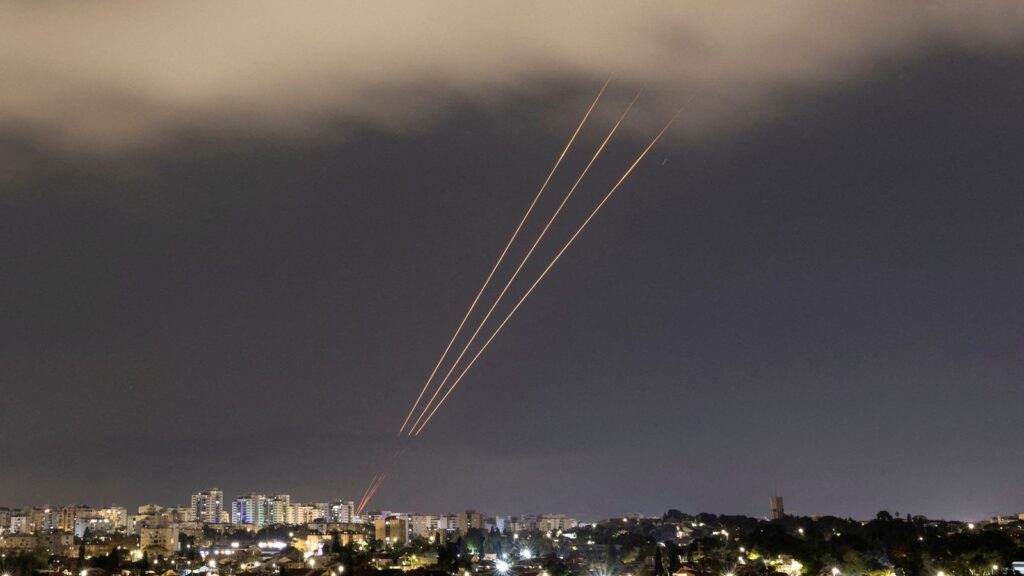
Israel has developed one of the world’s most advanced defense systems to counter these threats. The Iron Dome, David’s Sling, and Arrow Systems are critical components of Israel’s multi-layered defense strategy. The Iron Dome intercepts short-range rockets, while David’s Sling and the Arrow System target medium and long-range missiles, including ballistic ones. Despite this, Iran’s missile capabilities, including hypersonic ballistic missiles, pose a significant challenge, as seen in the October 2024 attack.
5. The Economic Cost of War
One major vulnerability for Israel in this conflict is the economic cost of defending itself. Each missile launched by Israel’s defense systems comes with a high price tag. For instance, the Tamir missile, used by the Iron Dome, costs approximately $50,000, while David’s Sling missiles cost $1 million each. During intense attacks, such as the April and October 2024 missile strikes, Israel spent nearly $200 million in just one day. Prolonged conflict could strain Israel’s defense budget, making it harder to sustain over time.
6. Iran’s Hypersonic Missiles: A Game Changer?
One of the most concerning developments is Iran’s acquisition of hypersonic ballistic missiles. These missiles, such as the Fatah 2023, can travel faster than the speed of sound and have a range of over 1,000 kilometers, allowing them to reach Israel within minutes. Iran’s missile technology makes it more challenging for Israel to intercept attacks, as these missiles are faster and more precise than traditional rockets or missiles. This advancement has escalated the potential threat level in the conflict.
7. The Role of International Players
The Israel-Iran conflict does not exist in isolation. Major global powers, including the United States, Russia, and China, play significant roles in influencing the outcome of this conflict. The U.S. is a staunch ally of Israel, providing military aid and support in the form of weapons, technology, and intelligence. In contrast, Russia and China have historically supported Iran, both diplomatically and economically, adding further complexity to the conflict’s international dimension.
8. Hezbollah’s Growing Influence
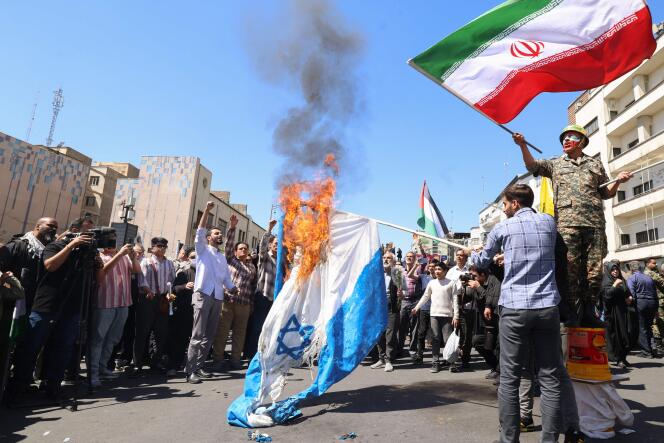
Hezbollah, one of the most powerful non-state militant organizations, is heavily armed and backed by Iran. Established in 1985, Hezbollah’s primary goal was to end Israeli occupation in Lebanon, but over time, it has evolved into a critical player in the Israel-Iran conflict. With access to advanced military equipment and financial backing from Iran, Hezbollah has launched numerous attacks on Israel, further destabilizing the region.
9. The Impact on Civilians
As with most conflicts, the real cost is borne by innocent civilians. Both sides have suffered casualties, but the humanitarian crisis in Gaza has been particularly severe. Since the onset of the latest escalation in 2023, over 40,000 Palestinians have lost their lives, with more than half being women and children. The displacement of millions of people and the destruction of civilian infrastructure have further compounded the tragedy. The international community has expressed concern over these developments, with organizations like the United Nations calling for a de-escalation of violence.
10. The Risk of a Broader Regional War
There are growing fears that this conflict could escalate into a broader regional war. The involvement of groups like Hezbollah, Hamas, and the Houthis, along with Iran’s direct military participation, has already drawn multiple countries into the fray. Neighboring nations such as Lebanon, Syria, and Yemen are increasingly becoming part of this proxy war. If the conflict continues to escalate, it could draw in other major players from the Middle East, including Saudi Arabia, which supports Israel’s adversaries.
Conclusion: Is There a Path to Peace?
The Iran-Israel conflict has reached a dangerous point, with the potential for further escalation. While there have been calls for peace from the United Nations and other global organizations, both Iran and Israel appear resolute in their determination to defend their interests. The involvement of proxy groups, advanced military technology, and international players adds complexity to the situation, making a peaceful resolution difficult. However, as Mahatma Gandhi once said, “An eye for an eye makes the whole world blind.” If both sides continue their retaliatory strikes, the result will be more loss of life, destruction, and instability in the region. The international community must intensify efforts to promote diplomacy, as the only path forward to avoid an even greater catastrophe.
You May Also Like: November 27