
Introduction
Every few years, the world experiences the natural phenomenon known as La Nina, bringing widespread changes in weather patterns that impact millions of people globally. The Pacific Ocean, the largest body of water on Earth, plays a key role in generating these climate shifts, leading to floods, droughts, and extreme temperatures. With predictions indicating that La Niña could hit in 2025, it is crucial to understand its potential impact and how to prepare for it. This article delves into the science behind LaNiña, its historical effects, and what we can expect as it looms closer.
Table of Contents
What is La Niña?
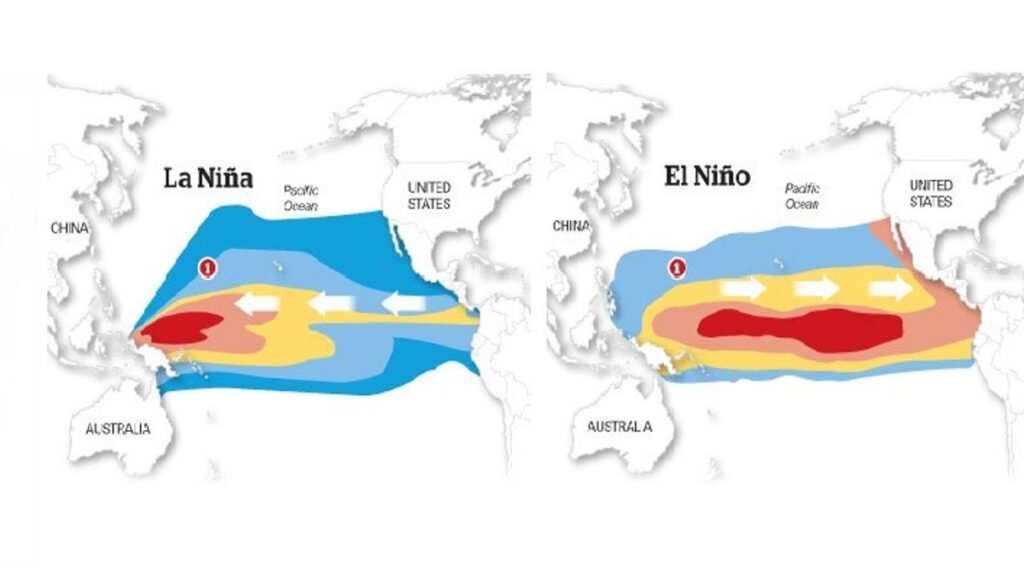
LaNiña is a climate phenomenon characterized by unusually cold ocean temperatures in the equatorial Pacific, particularly in the eastern and central Pacific Ocean. It is the cold phase of the El Niño-Southern Oscillation (ENSO) cycle, which also includes the warm phase known as El Niño. La Niña impacts weather patterns across the globe, causing shifts in precipitation, temperature, and wind patterns, often leading to extreme weather events such as floods, droughts, and cyclones.
La Niña vs. El Niño: What’s the Difference?
While LaNiña brings colder-than-average sea surface temperatures in the Pacific, El Niño does the opposite, warming these waters. Both phenomena disrupt normal weather conditions, but their impacts differ dramatically. During El Niño, regions like South America experience heavy rainfall and floods, while places like Australia and Southeast Asia face droughts. LaNiña, on the other hand, typically causes the opposite—dry conditions in the Americas and wetter conditions in Asia and Australia.
How LaNiña Affects Global Weather Patterns
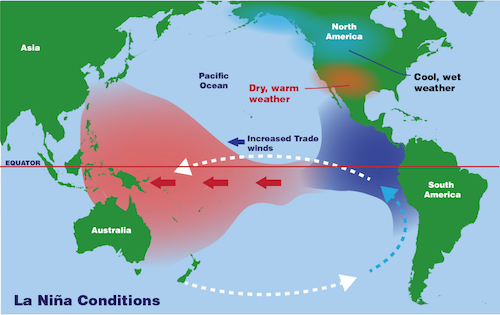
LaNiña alters atmospheric circulation, shifting the normal weather patterns we are used to. It causes stronger-than-usual trade winds that push warm surface waters westward, allowing cooler water to rise in the eastern Pacific. This shift changes rainfall patterns, leading to drought in some regions and flooding in others. Areas like Southeast Asia and northern Australia often experience heavy rainfall, while parts of the Americas may face droughts.
Historical Impacts of La Niña
La Niña events have caused significant destruction in the past. One of the most notable instances was in 1999, known as the Vargas Tragedy in Venezuela, where landslides killed approximately 30,000 people due to intense rainfall. Another major disaster occurred in Australia between 2010 and 2011, where Niña triggered severe flooding, resulting in billions of dollars in damage and significant loss of life. These examples underline the devastating potential of this phenomenon.
Why is La Niña Predicted for 2025?
Scientists closely monitor ocean temperatures and atmospheric conditions to predict the occurrence of La Niña. Currently, the World Meteorological Organization (WMO) has forecast a high chance of La Niña developing by the end of 2024 and continuing into 2025. This prediction is based on patterns in sea surface temperatures, trade winds, and atmospheric pressure in the Pacific Ocean, which are showing signs consistent with the onset of Niña.
The Role of the Pacific Ocean
The Pacific Ocean plays a central role in La Niña. It is the change in ocean temperatures, especially the cooling of surface waters, that drives the atmospheric changes associated with this phenomenon. These changes in the Pacific’s waters influence wind patterns and jet streams, leading to shifts in weather across the globe. When cooler waters rise to the surface in the eastern Pacific, it creates a ripple effect that alters climate conditions worldwide.
Understanding Trade Winds and Their Importance
Trade winds are a crucial part of the La Niña process. These winds, which blow from east to west across the Pacific, are intensified during La Niña. The strengthened trade winds push warm surface waters toward the western Pacific, causing upwelling of colder water in the east. This change in wind direction and ocean temperature is a key driver behind the global climate effects of Niña.
Impact on South America: Drought and Floods
La Niña often brings drier conditions to South America, particularly in countries like Peru and Ecuador, leading to droughts that can devastate agriculture and water supplies. In contrast, regions like Brazil may experience more intense rainfall, resulting in floods and landslides. The variability in weather can wreak havoc on the economies of these nations, which often depend heavily on agriculture.
Effects on Asia and Australia
Asia and Australia are among the regions most affected by La Niña. During La Niña years, countries like India, Indonesia, and the Philippines often face heavier-than-usual monsoon rains, which can cause widespread flooding. Australia, in particular, is vulnerable to severe floods, as seen during the 2010-2011 Niña event, which caused $10 billion in damage and claimed 35 lives.
La Niña and North America
In North America, La Niña typically leads to colder winters, especially in the northern United States and Canada. The southern U.S. may experience drier conditions, which can exacerbate droughts and lead to water shortages. The Pacific Northwest often sees wetter-than-usual conditions, resulting in higher chances of flooding and snowstorms.
The Economic Impact of La Niña
The economic toll of Niña can be significant. Floods, droughts, and extreme weather disrupt agricultural production, leading to crop failures and higher food prices. Fishing industries in regions like Peru also suffer as changes in sea temperature affect fish populations. Additionally, the increased frequency of natural disasters strains government resources and impacts infrastructure, making it crucial for countries to prepare in advance.
La Niña’s Effects on Agriculture
Agriculture is particularly vulnerable to Niña’s impacts. Heavy rains and floods can destroy crops, while droughts can lead to widespread crop failure. In countries heavily dependent on agriculture, this can result in food shortages and rising prices. Farmers need to be prepared for these potential disruptions by adjusting planting schedules and adopting more resilient farming practices.
How Governments and Communities Can Prepare
Governments and communities need to take proactive steps to mitigate the impacts of Niña. This includes investing in flood defenses, improving drainage systems, and developing drought-resistant crops. Early warning systems and better disaster preparedness can help reduce the loss of life and economic damage caused by extreme weather events.
The Role of Technology in Predicting and Responding to La Nina
Advances in technology have improved our ability to predict Niña events. Satellite data, computer models, and improved forecasting techniques allow scientists to detect the signs of Niña months in advance. Governments and organizations can use this information to better prepare for the effects, helping to minimize damage and save lives.
You may also like: Why Genghis Khan Never Invaded India :
Conclusion
Niña is a powerful force of nature that can disrupt weather patterns across the globe. While its impacts can be devastating, understanding the science behind it and preparing for its effects can help reduce the damage it causes. As we approach 2025, it’s essential that governments, communities, and individuals remain vigilant and take the necessary precautions to protect lives and livelihoods.
What causes Nina?
La Niña is caused by the cooling of sea surface temperatures in the Pacific Ocean, which alters global weather patterns.
How often does Nina occur?
La Niña events typically occur every 3 to 5 years, although the timing can vary.
Can Niña be predicted?
Yes, advances in weather forecasting allow scientists to predict La Niña months in advance.


One thought on “Brace for La Nina in 2025: Essential Tips to Survive and Thrive Amidst Extreme Weather””