A new and alarming pandemic is on the horizon, causing widespread concern across the globe. This time, the threat comes from the MPOX virus—a deadly and rapidly spreading virus that has the potential to affect millions. Originating in Africa, this virus has already reached over 116 countries, including major nations in Europe, Asia, and beyond. In this comprehensive article, we will explain what the MPOX virus is, how it spreads, its symptoms, and the steps you can take to protect yourself. Let’s delve into this critical topic and ensure you are well-informed.
What is the MPOX Virus?
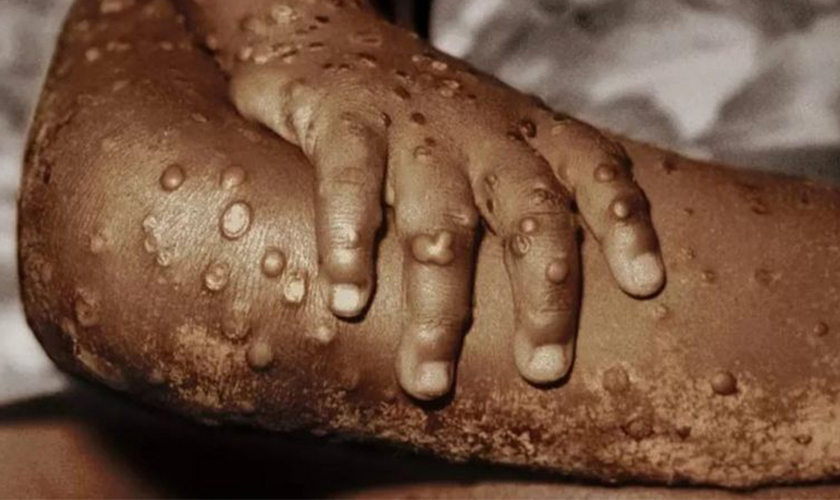
The MPOX virus, also known as Monkeypox, was first identified in the late 1950s. Scientists in Denmark discovered the virus in macaque monkeys imported from Singapore for polio vaccine research. The virus caused severe symptoms such as high fever, muscle pain, and skin lesions in monkeys, and later it was found to affect humans too. The name “Monkeypox” is derived from its initial discovery in monkeys; however, it is a zoonotic virus, meaning it can jump from animals to humans.
Table of Contents
A Brief History of MPOX
Monkeypox first made headlines when it was identified in humans in the Democratic Republic of Congo (DRC) in 1970. The first human case was a nine-year-old boy who had been in close contact with infected monkeys. From there, the virus mutated and evolved, spreading to other regions and countries. Historically, it has been confined to certain parts of Africa, but recent mutations have made it more dangerous and contagious.
How MPOX Virus Spreads
The MPOX virus spreads primarily through close contact with an infected person or animal. This includes direct contact with skin lesions, body fluids, respiratory droplets, or contaminated objects like clothing and bedding. The virus thrives in cool, dark, and low-humidity environments, which can allow it to survive on surfaces for up to 15 days. This makes public places like trains, buses, and hospitals potential hotspots for the virus’s transmission.
Symptoms of MPOX Virus Infection
Understanding the symptoms of an MPOX infection is crucial for early detection and treatment. The virus progresses through three main stages:
- Incubation Period: This phase lasts from 7 to 14 days, during which the virus multiplies within the host’s body without showing any visible symptoms.
- Prodrome Stage: In this stage, early symptoms such as fever, fatigue, weakness, headache, swollen lymph nodes, and muscle pain appear. One distinguishing symptom is lymphadenopathy, or swollen lymph nodes, which is not commonly seen in other viral infections.
- Rash Stage: The final stage is characterized by the appearance of skin lesions that progress from flat, red spots (macules) to raised bumps (papules), fluid-filled blisters (vesicles), and finally, crusted scabs. This stage can last from two to four weeks and is highly contagious.
Types of MPOX Virus: Clades and Their Dangers
The MPOX virus is categorized into two major clades:
- Clade 1 (Congo Basin): This clade is known for causing severe symptoms and has a case fatality rate (CFR) of around 10%. It is less likely to spread internationally because infected individuals often display symptoms that prevent them from traveling.
- Clade 2 (West African): This clade is less deadly, with a CFR of about 1%, but it spreads more easily as it causes milder symptoms. Due to its ability to spread undetected, Clade 2 has been responsible for outbreaks across multiple continents, including Europe, Asia, and the Americas.
The Tipping Point: How the MPOX Virus Became a Global Threat
A tipping point is when a virus has mutated and adapted enough to bypass human immune defenses, leading to rapid and widespread infection. The MPOX virus seems to have reached this tipping point. A less severe outbreak occurred in 2022, affecting 100,000 people worldwide. Now, a more potent variant has emerged, raising concerns that it could lead to another global pandemic.
Is There a Vaccine for the MPOX Virus?
Fortunately, there is a vaccine available for MPOX, known as the MVA-BN (Modified Vaccinia Ankara-Bavarian Nordic) vaccine. However, like the early days of COVID-19, vaccine distribution is uneven. Most doses are held by wealthy nations, leaving countries like those in Africa, where the virus is endemic, with inadequate supplies. Recently, the European Commission and a pharmaceutical company have pledged to donate 215,000 doses to Africa, but much more is needed to control the spread at its source.
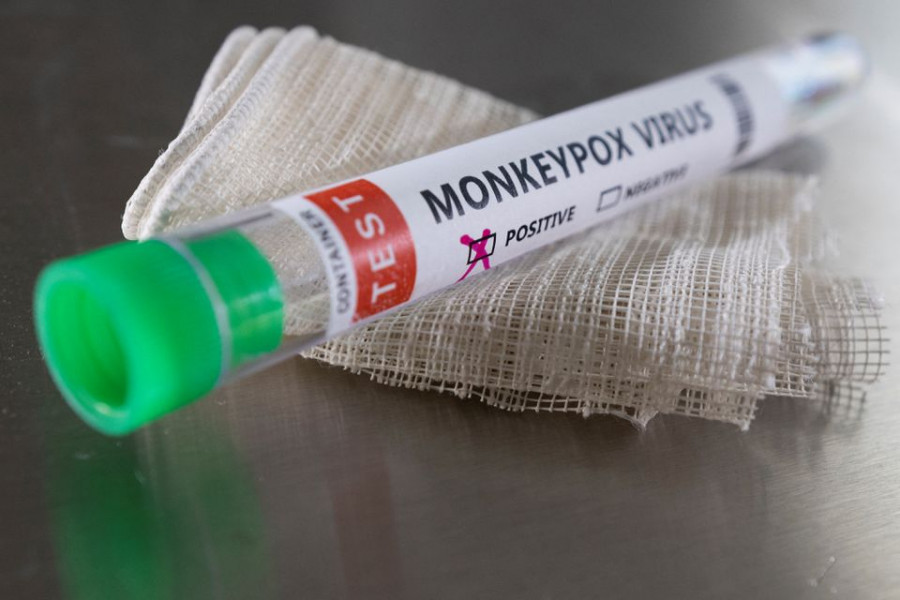
How Prepared is India for the MPOX Virus?
India is particularly vulnerable due to its high population density and significant international travel. In 2022, a single case of MPOX brought from the UAE led to 25 infections and one death in Kerala. With millions of people traveling between India and countries with MPOX outbreaks, there is a heightened risk of the virus spreading rapidly. India’s healthcare system is on high alert, with hospitals being prepared for potential quarantines and isolation protocols.
How to Protect Yourself from the MPOX Virus
Here are essential steps you can take to protect yourself and others from the MPOX virus:
- Maintain Good Hygiene: Regularly wash hands with soap and water or use an alcohol-based hand sanitizer.
- Avoid Close Contact: Stay away from individuals who display symptoms of a viral infection, such as fever and skin lesions.
- Disinfect Surfaces: Frequently sanitize commonly touched surfaces such as doorknobs, phones, and countertops.
- Use Protective Equipment: When in crowded places, consider wearing masks and gloves.
- Isolate If Infected: If you suspect you are infected, isolate immediately and seek medical attention. Avoid close contact until all skin lesions have healed.
Challenges in Combating MPOX Virus
One of the biggest challenges in fighting the MPOX virus is misinformation and a lack of awareness. While some countries have access to vaccines and advanced healthcare facilities, others are left to fend for themselves. This disparity leads to uneven containment efforts, allowing the virus to spread further.
Global Response to the MPOX Threat
The global community must adopt a coordinated approach to combat this emerging pandemic. Countries like the USA, which have stockpiled vaccines, should consider sharing their resources with countries facing high infection rates. Only by addressing the root of the problem can we prevent the virus from becoming an uncontrollable pandemic.
Conclusion
The emergence of the MPOX virus as a global threat is a wake-up call for all of us. The world needs to be vigilant, informed, and prepared to take necessary actions to control this virus. Understanding the symptoms, practicing good hygiene, and ensuring equitable vaccine distribution are vital steps in this fight. With collective global action, we can prevent the MPOX virus from becoming the next pandemic. Stay informed, stay safe, and help spread awareness.
Together, we can make a difference.
You may also like: Is a god virus?
What is the Mpox virus?
The Mpox virus, also known as Monkeypox, is a zoonotic virus that can spread from animals to humans. It is similar to smallpox but generally has milder symptoms. However, recent strains have become more potent and contagious, posing a significant health risk.
2. How is the Mpox’s virus transmitted?
The Mpox virus is transmitted through direct contact with an infected person’s bodily fluids, skin lesions, or contaminated materials such as clothing or bedding. It can also spread from animals to humans through bites, scratches, or direct contact with body fluids from an infected animal.
3. What steps can I take to prevent infection?
To prevent infection:
Wash hands frequently with soap and water.
Avoid direct contact with infected individuals or animals.
Use hand sanitizers, especially after touching potentially contaminated surfaces.
Wear protective clothing and masks when caring for an infected person.
Avoid consuming bushmeat or contacting wild animals.
4. How is the World Health Organization (WHO) responding to the outbreak?
The World Health Organization (WHO) is actively monitoring the situation and has called for urgent global action to prevent the virus from becoming a full-blown pandemic. The WHO is also working with countries to enhance their preparedness and response efforts.
5. Is the Mpox virus more dangerous than COVID-19?
While COVID-19 is more widespread, the Mpox virus’s current strain has a higher case fatality rate. The new Mpox variant can be more dangerous due to its higher lethality and ability to spread quietly during its incubation period, making it harder to detect and contain.
6. What should I do if I suspect I have the Mpox virus?
If you suspect you have been infected with the Mpox virus, seek medical attention immediately. Isolate yourself from others to prevent further transmission and follow the guidelines provided by your local health authorities.